
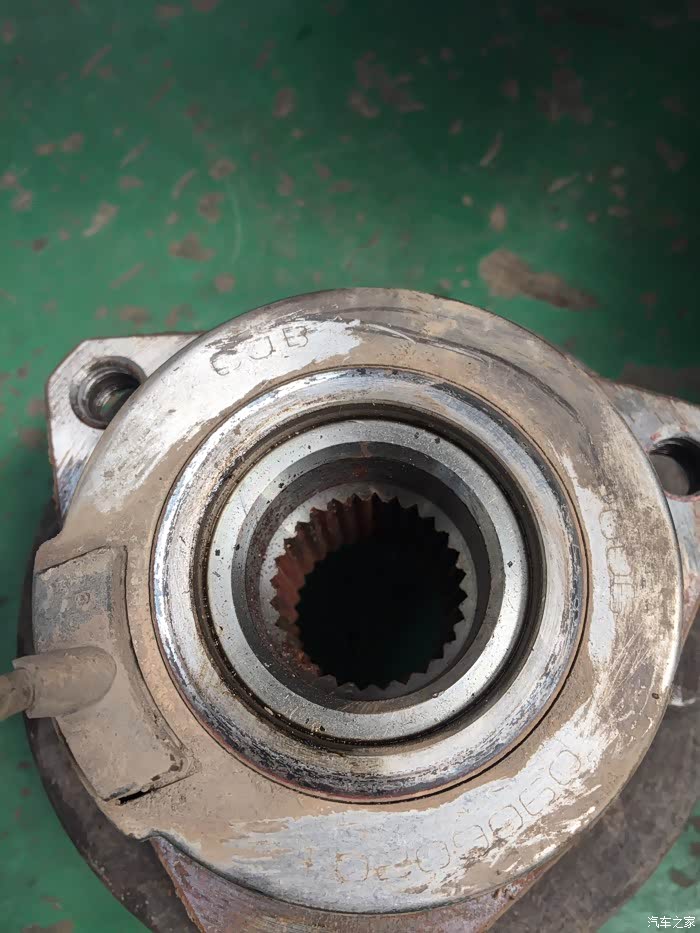
 he clearance of the differential bearing has a direct impact on the function of the differential. As a key component of the vehicle's transmission system, the differential provides various driving modes, such as two-wheel drive and four-wheel drive. During the vehicle's operation, the performance of the differential directly affects the vehicle's handling and safety. The clearance of the differential bearing is one of the important factors for its normal operation.
Definition and function of differential bearing clearance
The differential bearing clearance refers to the gap between the inner race and the shaft of the bearing in the installed state. This clearance is necessary to maintain the flexibility of the bearing and prevent excessive stress, allowing the bearing to produce appropriate displacement during operation to compensate for size changes caused by temperature changes, manufacturing errors, or assembly deviations. However, if the clearance is too large, it may cause the bearing to rotate unevenly, affecting the transmission efficiency and even leading to premature wear; conversely, if the clearance is too small, it may cause the bearing to overheat, exacerbate wear, and even cause bearing damage.
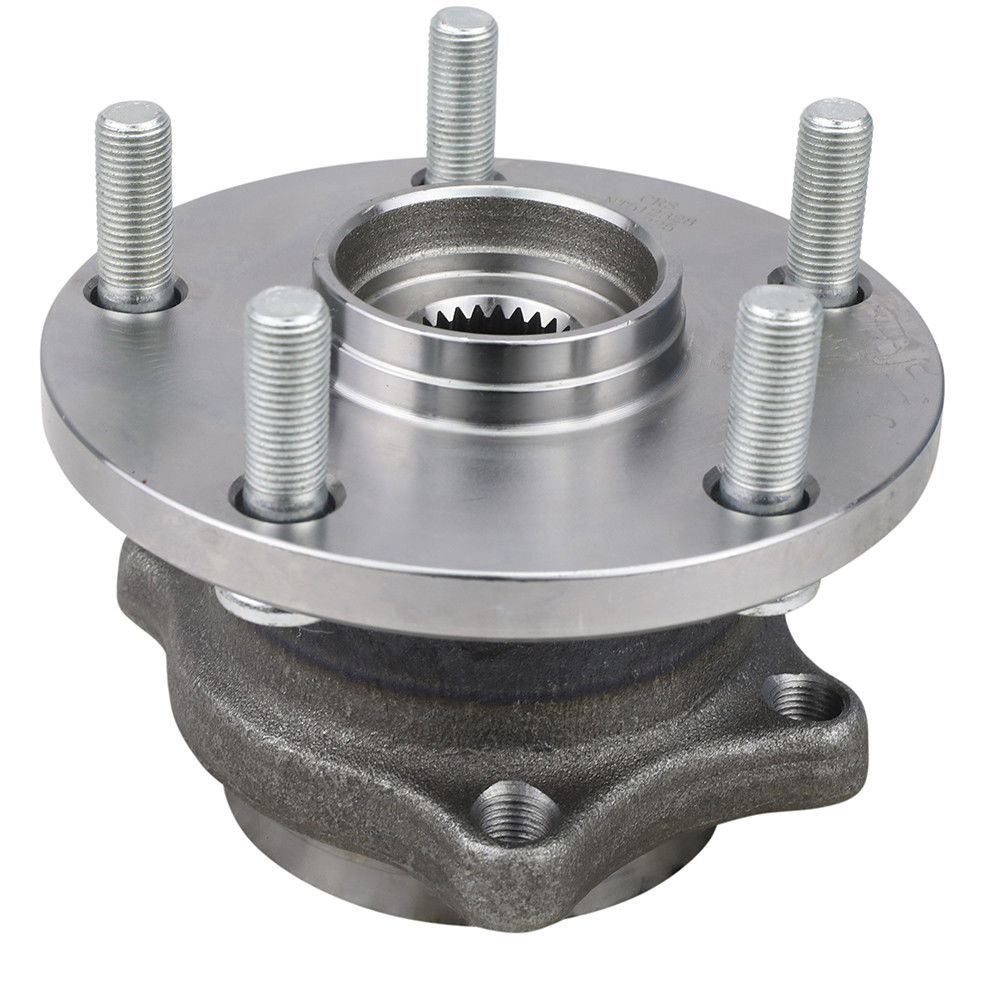 The influence of clearance on the function of the differential
Transmission efficiency: Appropriate clearance can ensure that the differential maintains good lubrication under various working conditions, reducing friction loss and thus improving transmission efficiency. If the clearance is too large or too small, it will affect the transmission efficiency, thereby affecting the vehicle's power performance.
Noise and vibration: Improper bearing clearance can cause the differential to produce abnormal noise and vibration, especially at high speeds or when load changes. This not only affects the driving experience but may also have an adverse effect on the service life of the differential.
Service life: Good clearance management helps to extend the service life of the differential and its bearings. Excessive clearance accelerates wear, while insufficient clearance can lead to overheating, thereby shortening the service life of the differential.
Control of clearance
To ensure the normal operation of the differential, it is necessary to precisely control the bearing clearance. This usually requires determining the initial clearance value through measurement and adjusting it according to the vehicle's usage conditions and maintenance recommendations. Regular checking and adjusting the clearance are very important in the daily maintenance of the differential. This can be done with professional tools, such as a clearance gauge, to ensure that the differential is always in the best working condition.
In addition, choosing the appropriate material and manufacturing process for the differential bearing is also an important link in controlling the clearance. High-quality bearing materials and manufacturing processes can reduce manufacturing errors, thereby reducing the need for subsequent maintenance.
In summary, the management of the differential bearing clearance is crucial for maintaining the efficient operation of the differential, extending its service life, and improving driving comfort. By precisely controlling the clearance, various problems caused by improper clearance can be effectively avoided, ensuring the performance of the vehicle under various working conditions.