
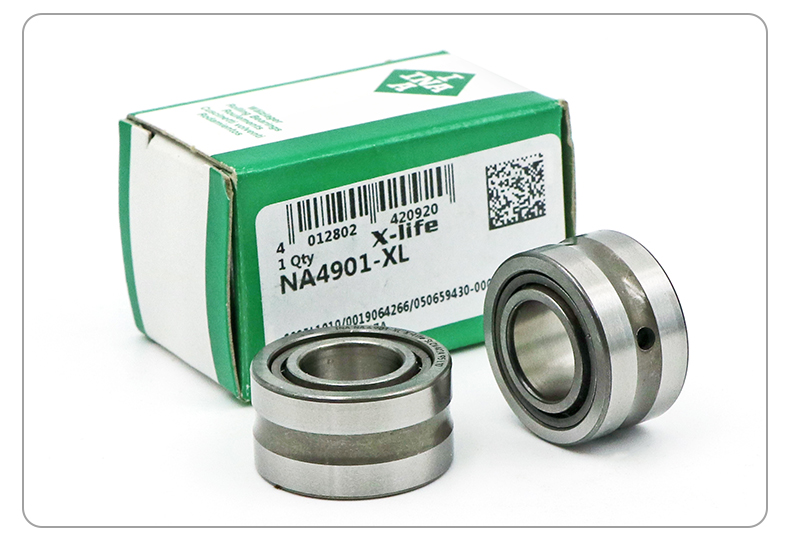
 he turbocharger in modern automotive engines is one of the very critical components. It compresses air and sends it into the engine cylinder, allowing the engine to achieve greater power output at a lower compression ratio. The core components of the turbocharger include the turbine, compressor, and bearings, among others. The bearing is an important part of the turbocharger, ensuring smooth operation between the turbine and the compressor. If there is a problem with the bearing, it may cause the turbocharger to fail, affecting the power performance and lifespan of the vehicle. The following will introduce the possible manifestations of turbocharger bearing failure and rapid troubleshooting methods.
Manifestations of turbocharger bearing failure
Abnormal noise: During the operation of the turbocharger, if there is a problem with the bearing, it may produce abnormal noises, such as 'buzzing' sounds or sharp metal friction noises.
Oil leakage: Bearing damage may cause the oil seal to fail, leading to oil leakage.
Abnormal temperature: Bearing failure may cause the turbocharger to overheat, resulting in an abnormally high temperature.
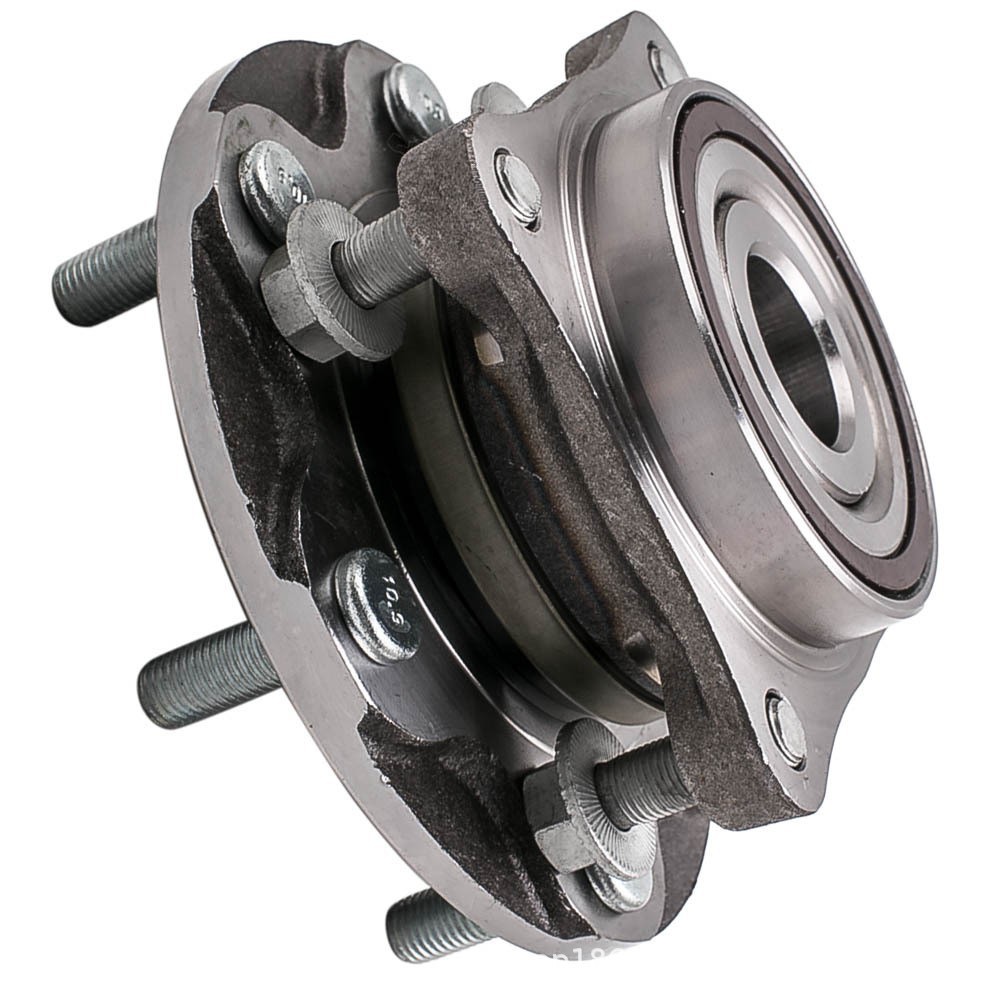 ngine performance degradation: Bearing failure may affect the working efficiency of the turbocharger, leading to a decrease in engine power.
Engine vibration: In some cases, bearing failure may cause the engine to vibrate during operation.
Rapid troubleshooting methods
Check oil level and quality: First, check whether the oil level of the turbocharger lubricant is normal and whether the oil quality is clear. If there is an abnormal oil level or poor oil quality, it may indicate that there is a problem with the bearing or oil seal.
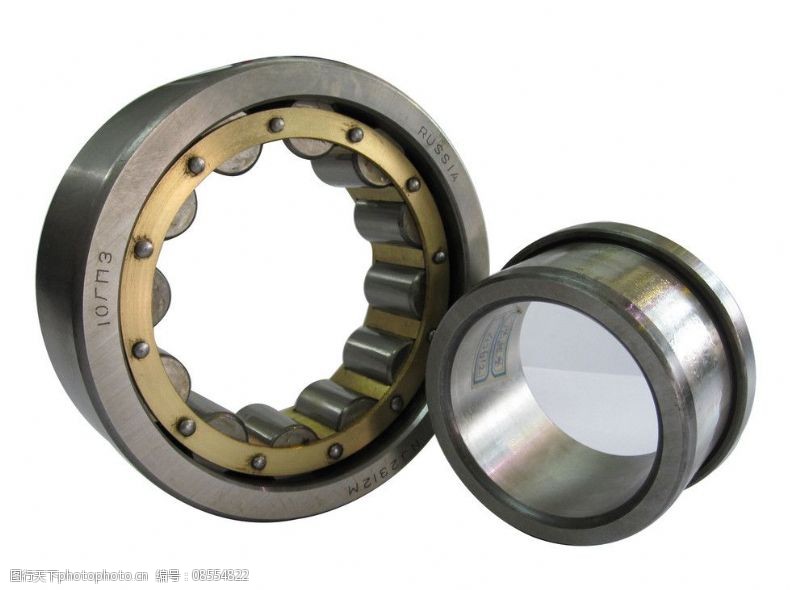 Diagnosis by auscultation: By using a stethoscope or listening directly with the ears, pay attention to any abnormal noises during the operation of the turbocharger. This helps to preliminarily judge whether there is a problem with the bearing.
Observe temperature: After starting the engine, pay attention to the temperature changes of the turbocharger. If the temperature rises abnormally, it may indicate that there is a problem with the bearing.
Check for oil leakage: After starting the engine, observe whether there is any oil leakage from the turbocharger. Minor oil leakage may require further inspection.
Professional diagnosis: If the above methods cannot determine the problem, it is recommended to seek the assistance of a professional technician for diagnosis. Professional technicians can use more precise equipment to detect the specific condition of the bearing, such as using oil pressure gauges and other tools.
Conclusion
The impact of turbocharger bearing failure on vehicle performance should not be overlooked. By using the aforementioned rapid troubleshooting methods, problems can be detected and resolved in a timely manner, avoiding potential issues such as engine performance degradation due to bearing failure. Regular maintenance and inspection are crucial for the normal operation of the turbocharger.