
Load-bearing Condition and Structural Requirements of Automotive Limited-slip Differential Bearings
The limited-slip differential as an important component of the automotive drive system ensures that the front and rear wheels can automatically distribute power according to road conditions, achieving a balance of power between the left and right wheels. During the operation of the differential, the differential bearing undertakes the important task of transmitting torque, and its load-bearing condition has a direct impact on the performance of the differential. This article will conduct an in-depth discussion on the load-bearing condition and structural requirements of the automotive limited-slip differential bearing from two aspects.
Firstly, the load-bearing conditions of the limited-slip differential bearing of the automobile
Load types of differential bearings
The load types of the differential bearing mainly include radial load, axial load, and mixed load. Among them, radial load refers to the force acting on the radial plane of the bearing, mainly generated by the rolling resistance and the frictional force of the rolling bearing itself during vehicle driving; axial load refers to the force acting on the axial plane of the bearing, mainly generated by the centrifugal force during vehicle turning and the frictional force during vehicle braking; mixed load refers to the situation where both radial load and axial load exist simultaneously.
Bearing load-bearing conditions
The load-bearing conditions of the differential bearing are related to many factors such as the structure, material, and lubrication conditions of the bearing. Generally speaking, the load-bearing capacity of the differential bearing mainly depends on the radial load-bearing capacity and the axial load-bearing capacity of the bearing. The radial load-bearing capacity of the differential bearing is mainly determined by factors such as the radial clearance of the bearing, the diameter of the rolling elements, and the curvature radius of the raceway; while the axial load-bearing capacity is mainly determined by factors such as the axial clearance of the bearing and the structure of the retainer.
Secondly, the structural requirements of the limited-slip differential bearing of the automobile
 Bearing structural design
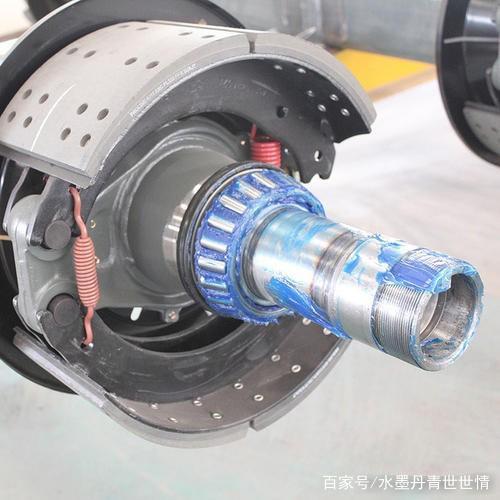
The structural design of the differential bearing needs to fully consider its load-bearing conditions to ensure its stable operation under various working conditions. The structural design of the differential bearing mainly includes the type, size, and lubrication method of the bearing. The type of the differential bearing mainly includes cylindrical roller bearings and cone roller bearings, and the appropriate bearing type and size are selected according to the type and load-bearing conditions of the bearing; the lubrication method mainly includes grease lubrication and oil lubrication, and the appropriate lubrication method is selected according to the working environment and load-bearing conditions of the bearing.
Bearing material selection
The material selection of the differential bearing needs to fully consider its load-bearing conditions to ensure its stable operation under various working conditions. The material selection of the differential bearing mainly includes the material, hardness, and wear resistance of the bearing. The material selection of the differential bearing mainly includes rolling bearing steel, and the appropriate hardness and wear resistance are selected according to the load-bearing conditions of the bearing.
Bearing sealing design
The sealing design of the differential bearing needs to fully consider its load-bearing conditions to ensure its stable operation under various working conditions. The sealing design of the differential bearing mainly includes the sealing method of the bearing and the sealing material. The sealing design of the differential bearing mainly includes static sealing and dynamic sealing, and the appropriate sealing method and material are selected according to the working environment and load-bearing conditions of the bearing.
In summary, the load-bearing conditions and structural requirements of the limited-slip differential bearing of the automobile have a direct impact on the performance of the differential. Therefore, when designing the differential bearing, it is necessary to fully consider its load-bearing conditions to ensure its stable operation under various working conditions. At the same time, various factors such as the structural design, material selection, and sealing design of the bearing also need to be fully considered to ensure the performance and lifespan of the differential bearing.