
Methods for detecting and judging the wear and failure of the limited-slip differential bearing of the car
One, Introduction
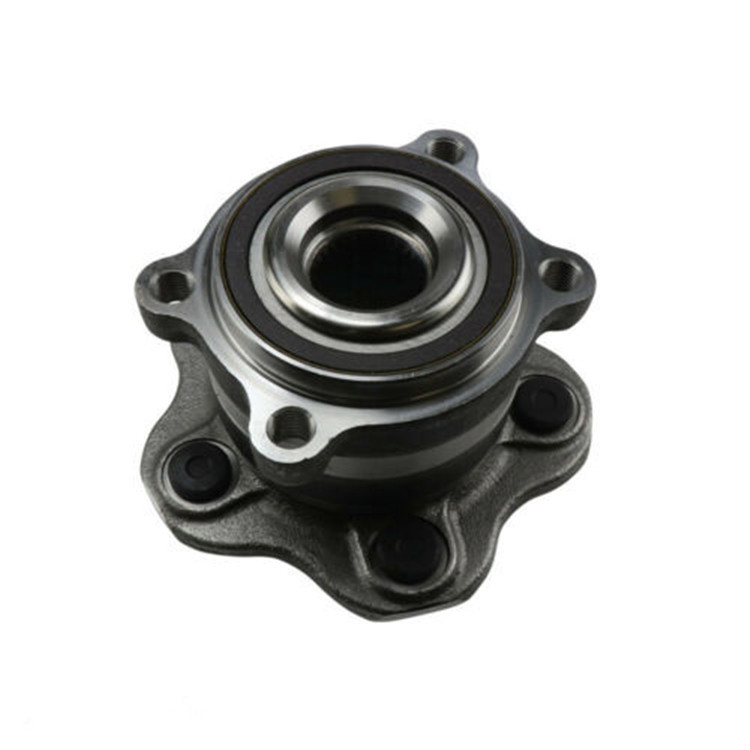 he limited-slip differential (abbreviated as 'differential') is an important mechanical device in the car's drive system. It distributes the power of the engine to the left and right drive wheels to ensure that the car can drive stably under different road conditions. The differential contains many key components, among which the limited-slip differential bearing is a crucial component in the differential. Its wear condition directly affects the working efficiency and service life of the differential. Therefore, the wear detection and fault judgment of the differential bearing have become an indispensable important link in car maintenance and maintenance.
Two, Methods for detecting differential bearing wear
Visual inspection method
In the early stage of differential bearing wear, there will usually be obvious external phenomena, such as gaps between the outer ring of the bearing and the housing, or cracks and deformation of the differential housing. These phenomena can directly judge whether the bearing has worn.
Lubricating oil detection method
The wear of the differential bearing will cause wear particles to mix into the lubricating oil. Therefore, by checking the physical properties of the lubricating oil such as color, smell, and viscosity, the wear condition of the bearing can be preliminarily judged. If the lubricating oil turns black, has an odor, and the viscosity decreases significantly, it indicates that the bearing wear is severe.
Rotation inspection method
Under normal working conditions, the rotation of the differential bearing should be smooth and without any noise. If there is an abnormal sound during the rotation of the differential, such as a cracking sound or friction sound, it may be caused by bearing wear. By manually rotating the differential, observing whether the bearing has sticking or jumping phenomena is also an effective method to judge bearing wear.
Grease detection method
The internal space of the differential bearing is usually filled with grease. When the bearing wears severely, the grease will overflow from the bearing gap, causing oil stains inside the differential housing. By observing whether there is grease overflow inside the housing, the degree of bearing wear can be judged.
Three, Methods for judging differential bearing failure
Vibration and noise
When the differential bearing fails, there will be obvious vibration and noise during the car's driving process. For example, when driving at high speed, if the vehicle emits a 'humming' or 'clunking' sound, it may be a sign of differential bearing failure.
Increased fuel consumption
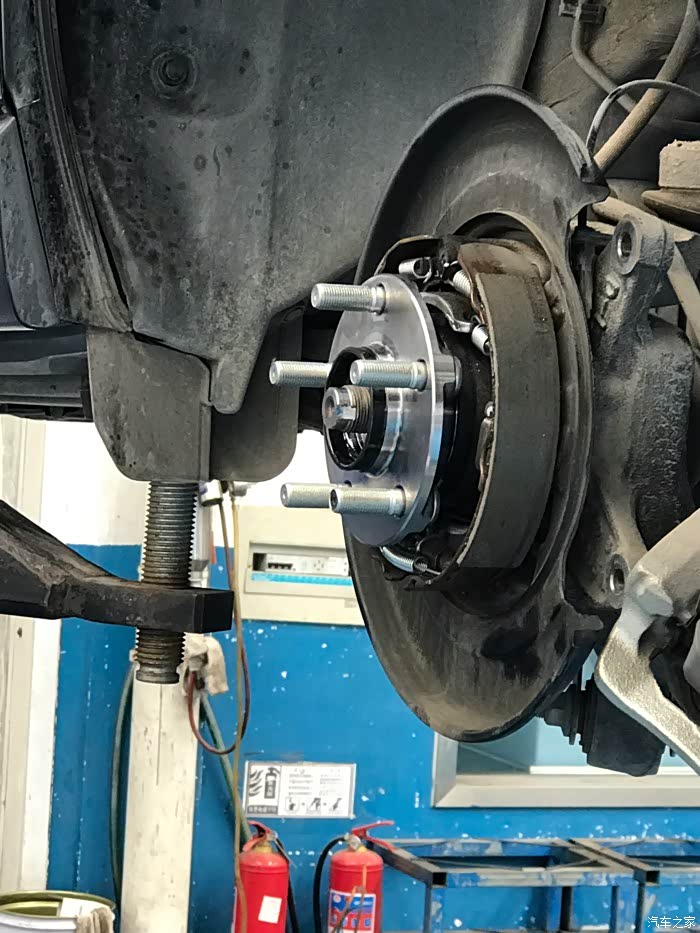 When the differential bearing fails, the vehicle's fuel consumption will increase significantly. If the vehicle's fuel consumption is found to increase significantly during driving, it should be checked whether the differential bearing has failed.
Decreased driving performance
When the differential bearing fails, the vehicle's driving performance will decrease significantly. For example, if there is slippage or deviation during cornering or acceleration, it may be caused by the failure of the differential bearing.
Differential housing deformation
When the differential bearing fails, the differential housing may deform. If the differential housing is found to have dents or twists, it may be due to the bearing wear causing the housing deformation.
Four, Conclusion
The wear detection and fault judgment of differential bearing are of great significance to ensure the normal operation of the car. By the above methods, differential bearings can be effectively inspected and faulted judged, thus timely discovering and eliminating faults, extending the service life of the differential, and improving the driving safety of the car.