
The differential bearing in the four-wheel drive system plays a crucial role in power distribution. The four-wheel drive system (full-time four-wheel drive or part-time four-wheel drive) can distribute the engine's power to the front and rear wheels according to road conditions and vehicle needs, thereby improving the vehicle's traction and stability. In this process, the performance of the differential bearing directly affects the efficiency and accuracy of power distribution. The following will discuss in detail the working principle of the differential bearing in the distribution of power in the four-wheel drive system.
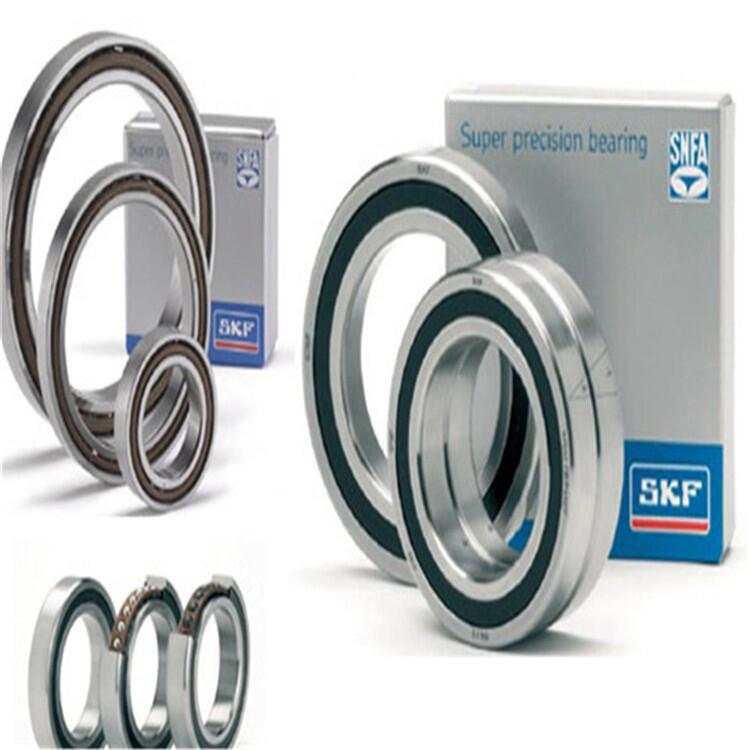 @@@@@@@@@@@@@@@@@@@@@@The role of the differential bearing
The differential bearing is an important component in the four-wheel drive system, mainly responsible for supporting the gears and other components inside the differential, allowing them to rotate smoothly during power transmission. In the four-wheel drive system, the differential usually contains one or more gear sets, which are connected together through bearings to form a power distribution mechanism. When the vehicle drives on different road surfaces, the differential can adjust the power distribution as needed to ensure that the front and rear wheels receive appropriate power.
Principle of power distribution
In the four-wheel drive system, the differential bearing mainly relies on the structure of the gear set and the power transmission path to distribute power. When the vehicle is driving on a smooth road surface, the differential can transfer most of the power to the rear wheels to increase the vehicle's driving speed and fuel economy. While under conditions requiring stronger traction, such as driving through muddy or snowy roads, the differential will distribute more power to the front wheels to enhance the vehicle's grip and thus improve the vehicle's stability.
The working principle of the differential is closely related to the engagement and disengagement of gears. By controlling the engagement and disengagement of the differential gear set, flexible power distribution can be achieved. When it is necessary to increase the power of the front wheels, more power can be transferred from the rear wheels to the front wheels through the operation of the differential; conversely, when it is necessary to increase the power of the rear wheels, power can be transferred from the front wheels to the rear wheels.
Conclusion
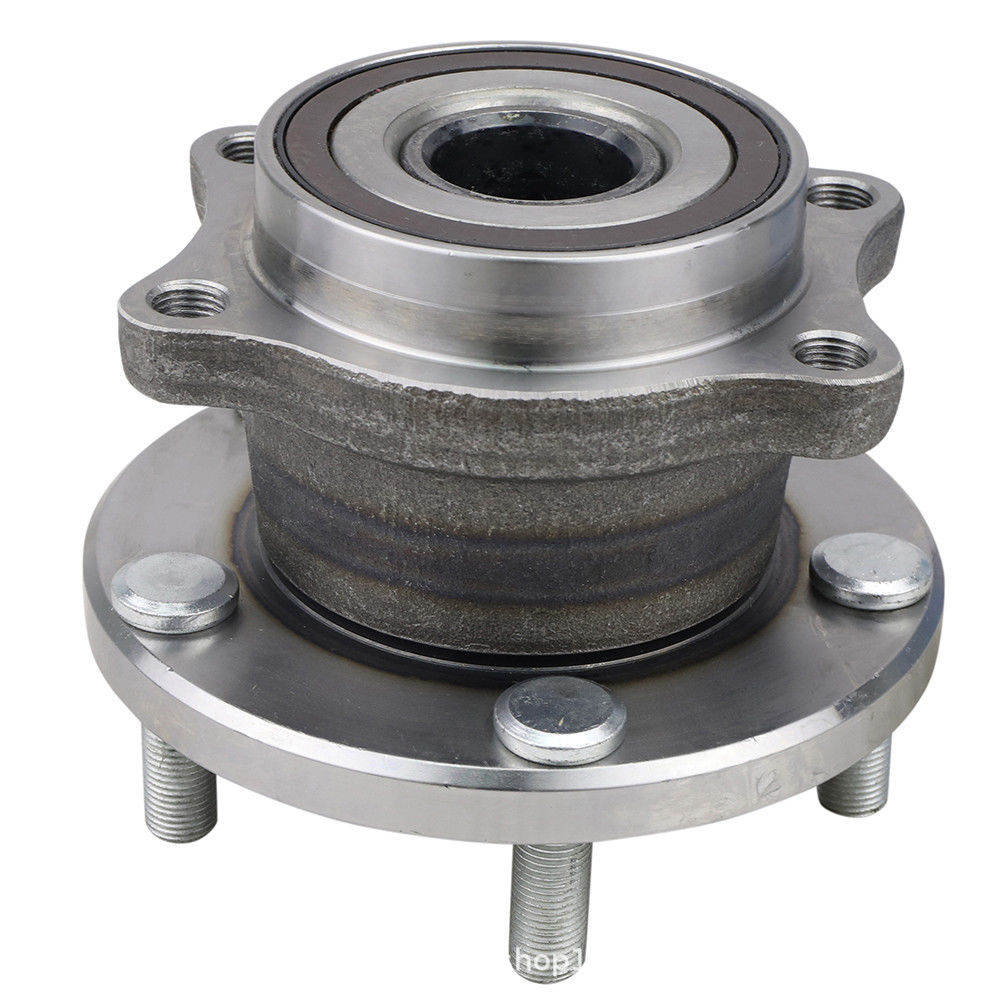 The differential bearing plays a crucial role in the four-wheel drive system, supporting the gears and other components inside the differential to ensure smooth and efficient power distribution. Under different road conditions, by controlling the engagement and disengagement of the differential gear set, the differential can flexibly adjust the power distribution according to the vehicle's needs, thereby improving the vehicle's traction and stability. This is of great significance for enhancing vehicle performance and safety.