
The installation space limitation of the automotive idler wheel bearing and how to optimize the installation
During the operation of the vehicle, it needs to bear tremendous power and load, which makes all the components of the vehicle need to bear great pressure. In the vehicle transmission system, the idler bearing plays a crucial role. It ensures the normal operation of the transmission system while also needing to be installed within a limited space. So, how can the installation of the idler bearing be optimized in the face of limited installation space?
Installation space limitations of idler bearings
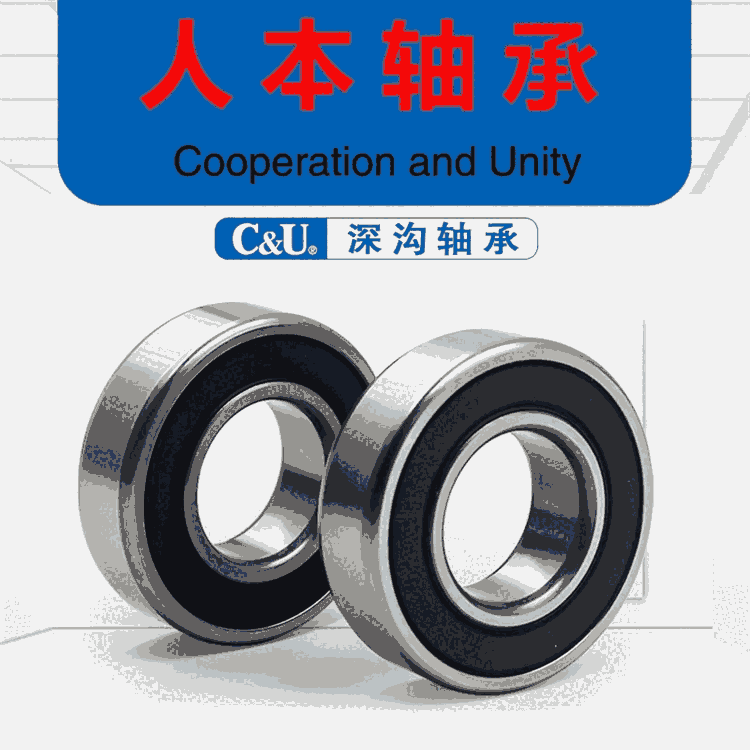 @@@@@@@@@@@@@@@@@@@@@@The installation space limitations of the idler bearing are mainly reflected in the following points:
Although the size of the idler bearing is small, its installation position is often at a key position of the transmission system, such as the transmission, clutch, and differential.
When installing the idler bearing within the limited installation space, the radial and axial dimensions of the bearing, as well as the gap between the bearing and the surrounding components, need to be considered.
Due to the particularity of vehicle design, the installation space of idler bearings varies between different models of vehicles. Different versions and years of the same model may also have different installation spaces for idler bearings.
A certain amount of space must be left during the installation of the idler bearing to ensure the free rotation of the bearing and avoid the bearing from sticking. If the installation space is too small, the free rotation of the bearing will be restricted, which will in turn affect the normal operation of the transmission system.
How to optimize the installation of idler bearings
Design optimization: when designing the vehicle transmission system, it is necessary to fully consider the installation space limitations of the idler bearing, and improve the utilization rate of the installation space through optimized design. For example, smaller-sized bearings can be used, or a more compact transmission system can be designed to reduce the installation space requirements for the idler bearing.
Selection of appropriate bearings: according to the performance requirements of the vehicle and installation space restrictions, appropriate idler bearings should be selected. For example, for vehicles that need to bear larger loads, bearings with higher load-bearing capacity can be selected; for vehicles that need to ensure the stability of the transmission system, bearings with higher precision can be selected.
Optimization of installation technology: when installing the idler bearing, it is necessary to strictly follow the process requirements to ensure the quality and stability of the bearing installation. For example, when installing the bearing, it is necessary to ensure that the gap between the bearing and the surrounding components is appropriate to ensure the free rotation of the bearing; during the installation process, it is necessary to avoid causing damage to the bearing.
Utilization of installation space: within the limited installation space, clever design can be used to combine the idler bearing with other components, thereby achieving the installation of the bearing. For example, the idler bearing can be integrated with other components to reduce the space occupied by the installation.
Adoption of new technology: for example, the use of 3D printing technology can produce smaller-sized bearings to adapt to limited installation space; the use of intelligent detection technology can monitor the installation status of the bearing in real time, and promptly identify and solve installation problems.
In summary, in the face of limited installation space, it is necessary to optimize the installation of idler bearing through means such as design optimization, selection of appropriate bearings, optimization of installation technology, utilization of installation space, and adoption of new technologies. This not only improves the performance of the transmission system but also extends the service life of the bearings, providing a guarantee for the normal operation of the vehicle.