
The car differential is one of the key components of the car's undercarriage system, whose main function is to distribute torque according to the speed difference of the left and right wheels to ensure smooth driving of the vehicle during turns and prevent wheel slip. The working principle of the differential depends on the internal differential bearings, which produce a certain amount of clearance during the process of bearing torque and rotation. The size of the clearance directly affects the performance of the differential, including power transmission efficiency, noise level, and service life.
Definition of Differential Bearing Clearance
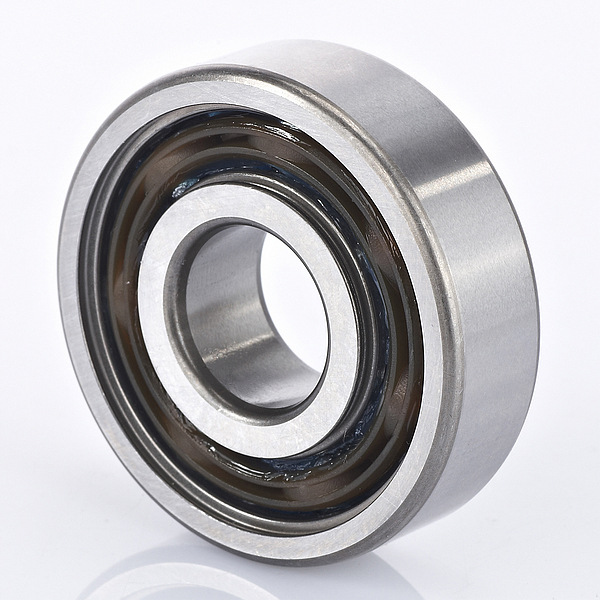
The differential bearing clearance refers to the gap between the inner and outer rings or between the inner and outer rings and the retainer, which occurs when the bearing is in operation due to factors such as temperature changes and material deformation. The existence of clearance can reduce friction, decrease wear, and also help absorb vibration and impact. However, both excessive and insufficient clearance can affect the performance of the differential.
The Influence of Clearance on Differential Performance
Power Transmission Efficiency: Appropriate clearance can ensure that the differential can effectively distribute torque under normal working conditions, improving the efficiency of power transmission. If the clearance is too large, it may lead to uneven torque distribution, affecting power transmission efficiency; while too little clearance may cause the bearing to generate excessive friction during high-speed rotation, increasing wear and shortening the service life of the bearing.
Noise Level: The size of the clearance directly affects the operating noise of the differential. Reasonable clearance can reduce friction between bearings, thereby reducing noise. However, if the clearance is too large or too small, it may lead to increased noise levels, affecting the driving experience.
Service Life: Appropriate clearance helps to reduce bearing wear and extend its service life. Excessive clearance increases the wear rate of the bearing, leading to premature failure of the differential; while too little clearance may cause excessive friction and accelerate wear, affecting service life.
Steering Response: The performance of the differential also directly affects the vehicle's steering response. Appropriate clearance can ensure that the left and right wheels can rotate independently as needed during turns, improving the vehicle's handling performance. Excessive clearance can affect steering response, causing the left and right wheels to rotate at different speeds during turns, affecting the driving experience.
 The Importance of Clearance Adjustment
The adjustment of the differential bearing clearance is a professional task that requires precision, usually carried out by professional car maintenance technicians with the help of professional equipment. In daily maintenance, drivers should ensure that the clearance of the differential is within the range recommended by the manufacturer to ensure the best performance and safety of the vehicle. In addition, regular inspection and maintenance of the differential are also important measures to keep the vehicle in good condition.
In summary, the adjustment of the differential bearing clearance is crucial for ensuring the normal operation and performance of the car differential. Reasonable clearance can improve the efficiency of power transmission, reduce noise, extend service life, and enhance the vehicle's handling performance. Therefore, regular inspection and proper adjustment of the differential bearing clearance are important links in maintaining car performance and safety.