
 he automotive braking system is an important part of ensuring driving safety. The working principles and collaborative methods of the various components are crucial for ensuring safe vehicle operation. This article will introduce in detail the structure, working principles, and collaborative methods of the automotive braking system.
Structure of the automotive braking system
The automotive braking system mainly includes the following parts:
Brake pedal: The driver controls the operation of the braking system by pressing the brake pedal.
Brake master cylinder: The brake master cylinder converts the driver's foot pressure into hydraulic power.
Brake fluid pipeline: The brake fluid pipeline is responsible for transmitting the pressure generated by the brake master cylinder to the brake wheel cylinder.
Brake wheel cylinder: The brake wheel cylinder converts the pressure of the brake fluid into mechanical force acting on the brake disc or drum.
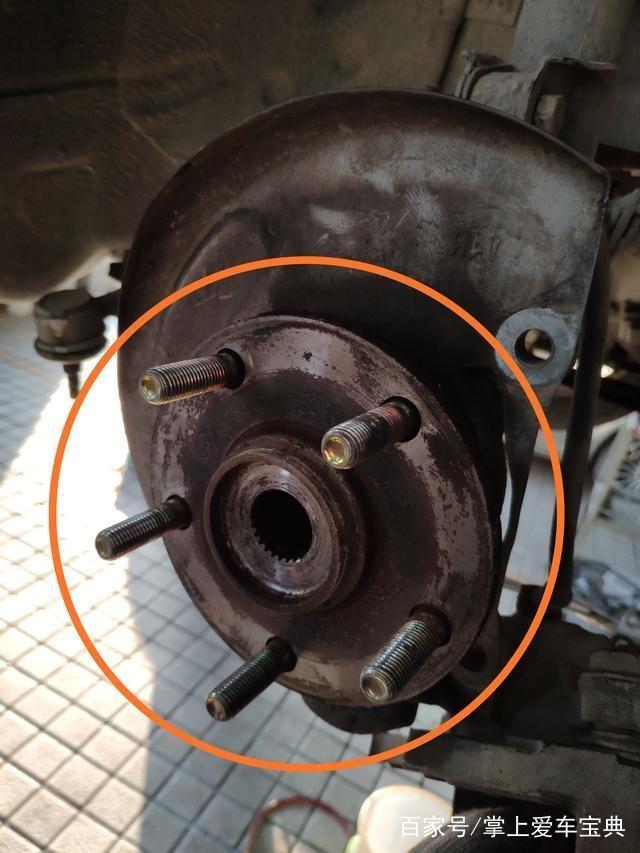
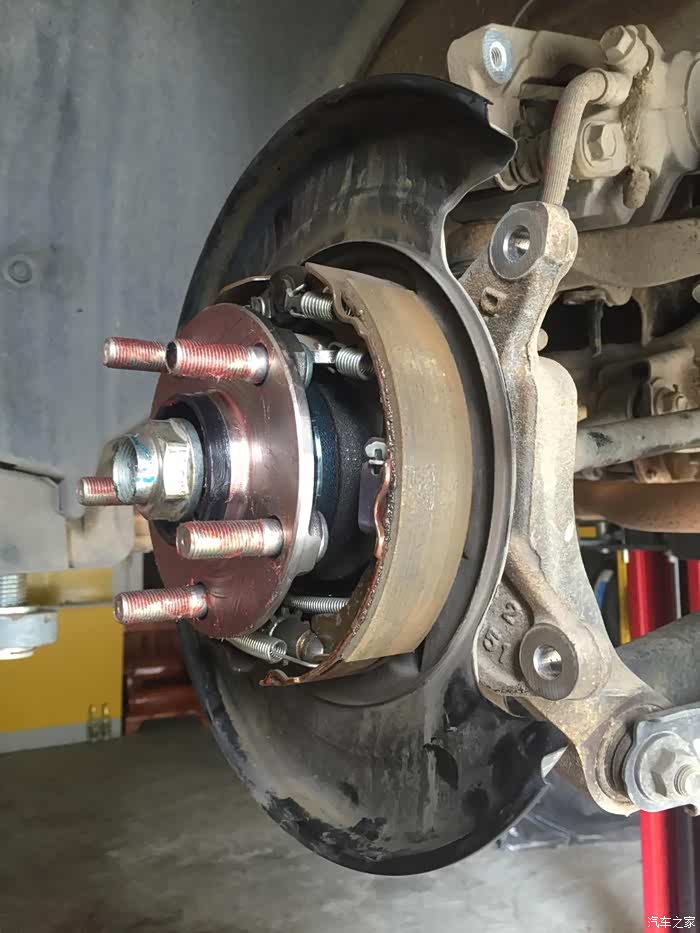
Brake disc/brake drum: The brake disc or drum is connected to the wheel, and friction is generated to slow down or stop the vehicle by contacting the brake pads or brake blocks on the brake drum with the brake disc or drum.
Brake pads/brake drums: Contact with the brake disc or drum to generate friction.
 acuum assist: In some vehicle models, the vacuum assist can assist the brake master cylinder to provide a stronger braking effect.
ABS (Anti-lock Braking System): By monitoring the wheel speed through sensors, it prevents the wheels from locking up during braking, thus maintaining vehicle stability and controllability.
 Working principle
When the brake pedal is pressed down: When the driver presses the brake pedal, the piston inside the brake master cylinder is pushed, and the pressure is transmitted to the brake wheel cylinder through the brake fluid.
Brake wheel cylinder function: The piston inside the brake wheel cylinder is pushed, and the brake pads or brake blocks on the brake drum are pushed by the piston to contact the brake disc or drum, generating friction.
Friction force produces deceleration effect: By the friction between the brake pads or brake drums and the brake disc or drum, the vehicle is slowed down or stopped.
ABS assistance: During braking, the ABS ensures that the wheels do not lock up completely by monitoring the changes in wheel speed, maintaining vehicle stability and controllability.
Collaborative methods of various components
The coordinated work of the various components of the braking system ensures the safety and stability of the vehicle during emergency braking. The brake master cylinder, brake fluid pipeline, and brake wheel cylinder work together to convert the driver's foot pressure into mechanical force on the brake disc or drum. The vacuum assist and ABS system further improve the performance of the braking system, especially during emergency braking, effectively preventing wheel lockup and ensuring vehicle stability and controllability during braking.
In summary, the automotive braking system ensures safe deceleration and stopping of the vehicle in emergency situations through the coordinated work of components such as the brake pedal, brake master cylinder, brake fluid pipeline, and brake wheel cylinder. Understanding the working principles and collaborative methods of these components is helpful for better vehicle maintenance and driving safety.