
The automobile braking system is an important component for ensuring driving safety, among which the brake vacuum pump, as one of the core components, directly affects the reliability of the entire braking system. The function of the brake vacuum pump is to consume part of the pressure in the compressed air to produce negative pressure, thereby, providing continuous braking assistance for the braking system. The bearing of the brake vacuum pump is a key component for its normal operation, and its lubrication method directly affects the service life of the vacuum pump and the reliability of the braking system.
Lubrication methods
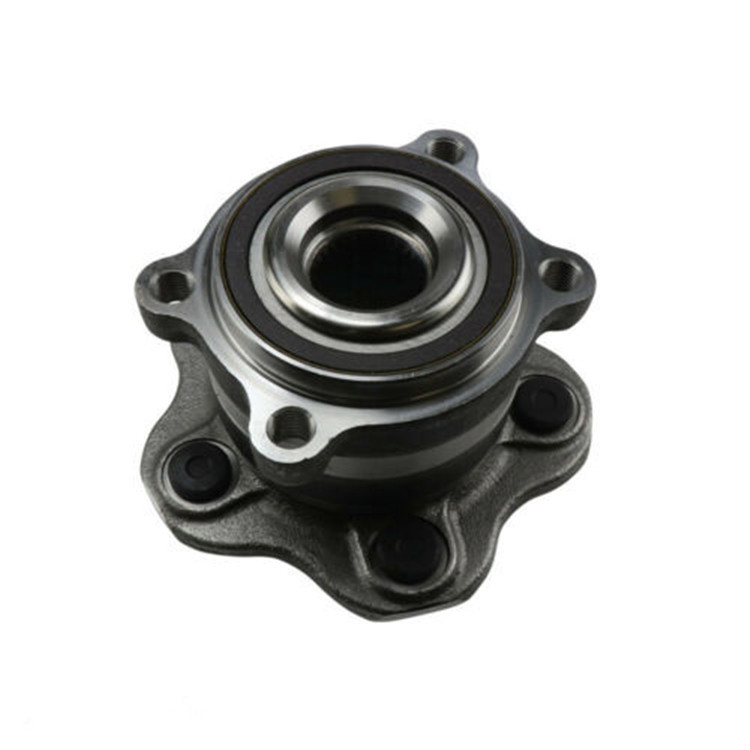 he lubrication methods for the automobile brake vacuum pump bearings are mainly divided into dry lubrication and oil lubrication.
Dry lubrication: Dry lubrication usually uses solid lubricants, such as graphite and molybdenum disulfide. These lubricants have good wear resistance and can form a protective film on the bearing surface to reduce friction and wear. The advantages of dry lubrication are that it does not require the addition of lubricating oil, saving maintenance costs, and can adapt to high-temperature and high-humidity working environments. However, its disadvantage is that the lubrication effect gradually weakens over time, and lubricants need to be replaced regularly.
Oil lubrication: Oil lubrication is to maintain the lubrication state of the bearing surface by regularly adding lubricating oil. This method can provide a continuous lubrication effect, but it requires regular replacement of lubricating oil, which increases maintenance costs. In addition, oil lubrication is prone to volatilization in high-temperature environments and requires regular inspection and supplementation.
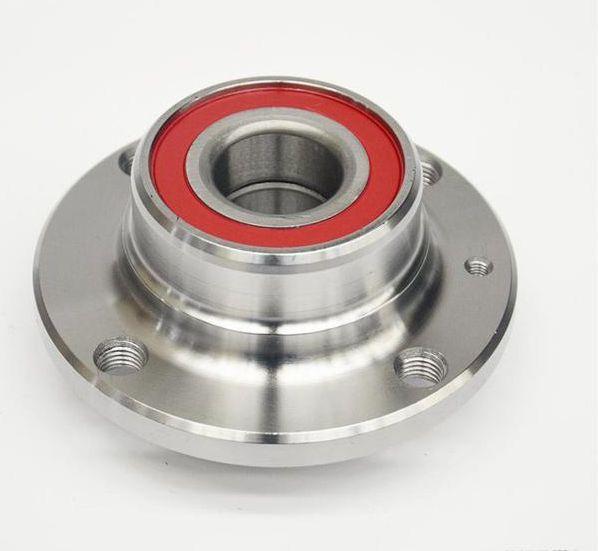 nfluence on braking reliability
Extend service life: Good lubrication can effectively reduce bearing wear, extend the service life of the brake vacuum pump, and thus ensure the reliability of the braking system.
Improve performance: Well-lubricated bearings can reduce friction, improve the efficiency of the vacuum pump, and provide more stable braking assistance, which is crucial for ensuring driving safety.
Reduce failure rate: Insufficient or improper lubrication may cause the bearing to overheat, accelerate wear, and even crack, eventually leading to the failure of the brake vacuum pump and affecting the safety performance of the vehicle. Therefore, maintaining a good lubrication state can effectively reduce the failure rate and improve the reliability and durability of the vehicle.
 Reduce maintenance costs: By regularly checking and maintaining the lubrication system, lubrication problems can be detected and resolved in a timely manner, avoiding failures caused by poor lubrication, thereby reducing maintenance costs and downtime.
In summary, the reasonable selection and maintenance of the lubrication method for the brake vacuum pump bearing is of great significance for ensuring the reliability of the automobile braking system. Therefore, it is recommended to regularly check the lubrication condition, adopt an appropriate lubrication method, and formulate a reasonable lubrication maintenance plan according to the actual situation to ensure the efficient operation of the braking system and the safety performance of the vehicle.